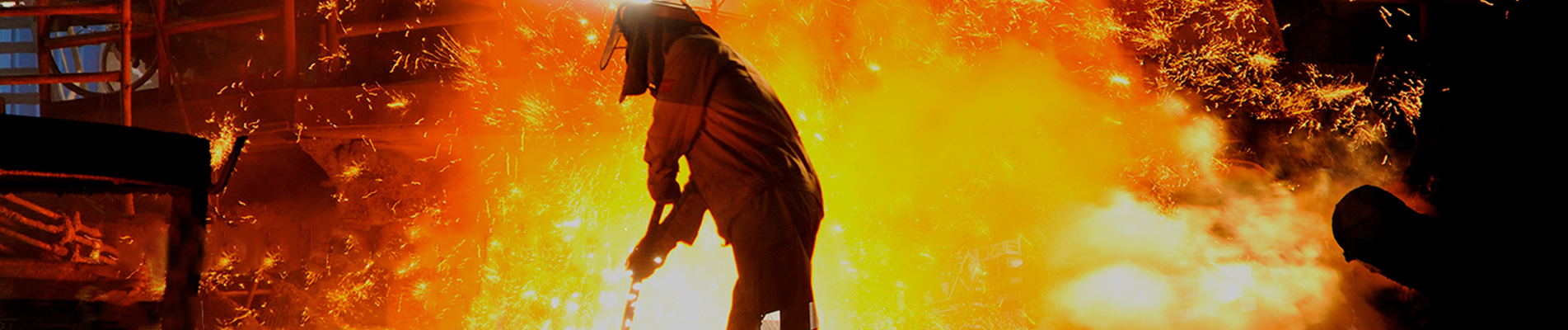
In a steel mill, the question is not simply whether a hydraulic hose is located in a hot area. The correct fire sleeve depends on what actually reaches the hose: continuous radiant heat, occasional flame, molten-metal droplets, hot particles, mechanical rubbing, or several of these hazards at the same location.
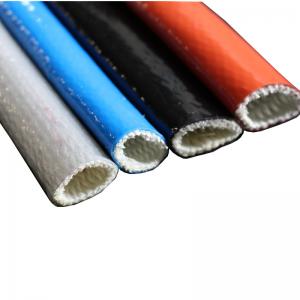
For hydraulic lines exposed to significant external heat or molten splash, a silicone-coated fiberglass fire sleeve provides a thermal barrier around the hose. Where mechanical wear is also present, the finished sleeve construction should be selected and verified for both thermal exposure and abrasion rather than assuming that any high-temperature sleeve will solve every hose-protection problem.
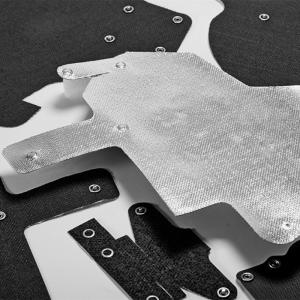
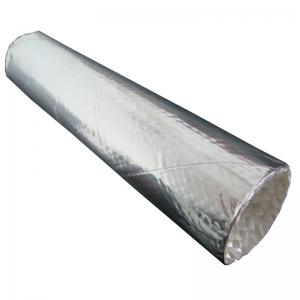
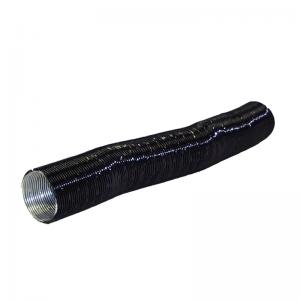
BSTFLEX manufactures several constructions for these environments. The Hydraulic Hose Protection Fire Sleeve provides a starting point for hydraulic systems exposed to heat, flame, molten splash and mechanical wear, while the Texturized Fiberglass Fire Sleeve offers a thicker fiberglass construction for applications where a heavier sleeve design is being evaluated.
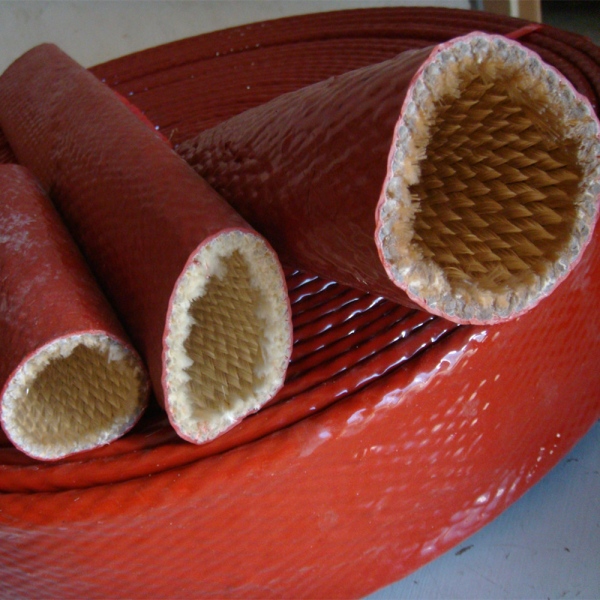
A steel mill fire sleeve is an external protective covering for hoses, cables or lines operating near high-temperature equipment. Its purpose should be defined by the actual external hazard rather than by the industry name alone.
| Hazard | What happens at the hose | What the sleeve specification should address |
|---|---|---|
| Radiant heat | The hose is heated without touching the hot equipment. | Continuous exposure, distance from the source, installed geometry and hose temperature beneath the sleeve. |
| Molten metal splash | Droplets or short-duration splash can strike the hose protection directly. | Applicable molten-splash test evidence, sleeve coverage, seam arrangement and exposed end details. |
| Flame or flash heat | The assembly can experience short-duration direct thermal exposure. | Product-specific test conditions, exposure duration and acceptance criteria. |
| Hot particles and scale | Hot debris may contact or collect around the protected route. | Surface condition, routing, orientation and inspection frequency. |
| Abrasion and vibration | The hose or sleeve repeatedly contacts machine structures or neighboring lines. | Abrasion performance, clearance, support points and equipment movement. |
| Oil contamination | Hydraulic fluid or industrial oil can reach the protective surface. | Product-specific oil-resistance evidence and inspection procedure. |
These hazards should be recorded separately. A sleeve tested for molten-metal droplets should not automatically be described as suitable for immersion in molten metal, and a high continuous-temperature rating does not define its performance during direct flame exposure.
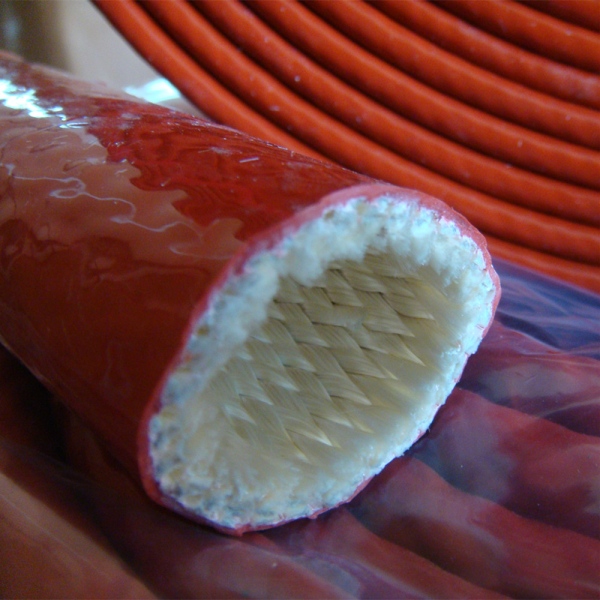
Every plant layout is different, but certain equipment areas deserve a closer hose-routing review because hydraulic systems can operate near concentrated heat, hot material or moving machinery.
Hydraulic lines around roll stands, guides and related actuators can combine movement, vibration and elevated surrounding temperatures. The hose route should first be checked for mechanical contact and clearance from hot components.
If unavoidable external heat remains, specify the section requiring fire sleeve and review that section through the complete permitted equipment movement. A cover that works when the equipment is stopped may bunch, move or rub when an actuator changes position.
Where hydraulic lines operate around casting or hot-product handling equipment, identify whether the credible exposure is primarily radiant heat, hot particles or molten splash. These are not interchangeable conditions.
Show the heat source and likely splash direction on the application drawing. This helps determine the required coverage and avoids treating every hydraulic line in the area as if it sees the same thermal load.
Hydraulic systems operating around furnaces, charging equipment or other metallurgical processes may be exposed to intense radiant heat even without direct flame or metal contact.
Measure or establish the actual duty at the hose location. The temperature of the furnace or metal bath is not the same as the temperature experienced by the fire sleeve.
Some hoses require relatively frequent inspection or replacement because of machine movement or service conditions. In these locations, installation method becomes part of the sleeve specification.
A tubular sleeve may be appropriate during fabrication of a replacement hose assembly. Where a hose is already connected and cannot easily be removed, an openable construction can be considered instead.
Molten splash should not be reduced to a marketing phrase such as "extreme heat resistant." It is a distinct external hazard and should be supported by an applicable test method.
The BSTFLEX Hydraulic Hose Protection Fire Sleeve has been evaluated using the BS EN 373 molten-splash test. The same product information also identifies BS EN 388 abrasion testing and BS EN ISO 6530 oil-resistance testing.
Those results provide useful evidence for selecting a product, but the test names should remain attached to the tested fire-sleeve construction. They do not automatically qualify every silicone-coated sleeve, closure type, modified seam or fabricated cover supplied by the manufacturer.
For a steel-mill project, ask four questions:
If the application involves a more severe exposure than the available evidence represents, identify the gap before releasing the production order.
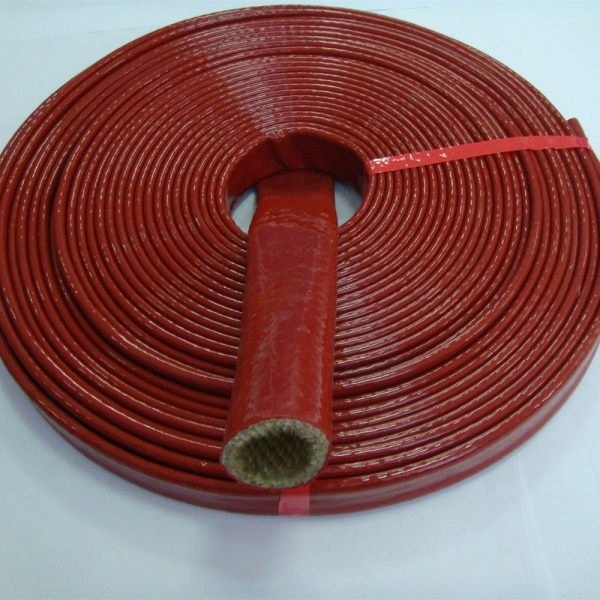
A hydraulic hose can suffer thermal degradation even when no flame or molten metal ever touches it. Radiant energy from a nearby hot surface can raise the temperature of the hose cover continuously during operation.
For radiant-heat exposure, define the distance between the hose and heat source, the operating duration, available airflow and any existing barrier. Where possible, improve routing or increase separation before relying on insulation alone.
Then determine what temperature is acceptable at the hose. The purpose of the fire sleeve is to reduce external thermal exposure; it does not change the hose manufacturer's allowable fluid, pressure or temperature limits.
Do not estimate the hose temperature by subtracting an assumed number of degrees from the heat-source temperature. Heat transfer depends on the installation geometry and operating conditions. Where the protected component temperature is critical, validate it on the actual assembly or through an appropriate engineering assessment.
Not every steel-mill installation needs the thickest available sleeve. Added material changes the outside diameter, flexibility, installation clearance and cost.
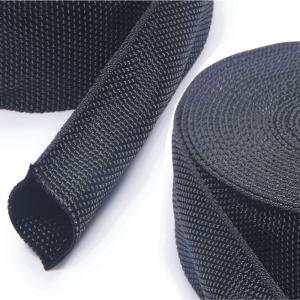
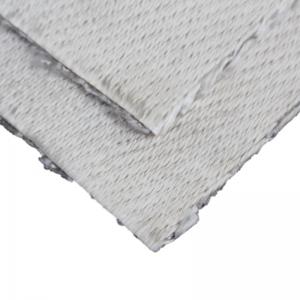
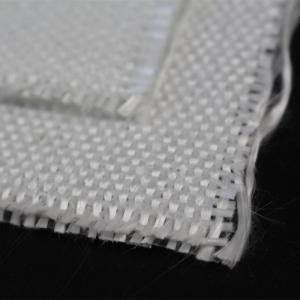
The BSTFLEX HFRS Texturized Fiberglass Fire Sleeve uses texturized fiberglass yarn with a silicone rubber coating and has a thicker fiberglass structure than the standard fire sleeve. BSTFLEX lists steelworks among its intended applications.
This makes it a product to evaluate where the project requires a heavier sleeve construction. It should not be selected solely because "heavy duty" sounds safer.
Compare the proposed standard and heavy-duty constructions against:
| Comparison point | Question for the sample review |
|---|---|
| Installed outside diameter | Does the thicker sleeve still clear brackets, guides and neighboring components? |
| Bending | Does the finished assembly retain the hose manufacturer's required bend radius? |
| Mechanical contact | Will the sleeve itself rub repeatedly against surrounding equipment? |
| Thermal requirement | Which product has evidence applicable to the required exposure? |
| Installation method | Can the selected construction be installed over the planned hose and fittings? |
| Inspection | Can technicians still inspect the hose, end fittings and protected route? |
The selection should be based on the required finished performance rather than wall thickness alone.
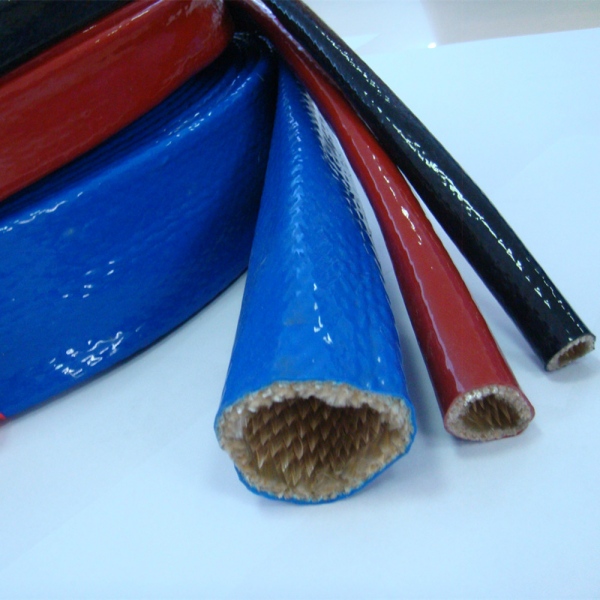
Steel-mill hose routes often combine thermal exposure with vibration or mechanical contact. In that situation, a buyer should avoid treating heat and abrasion as two unrelated catalog choices.
The BSTFLEX hydraulic hose fire sleeve has separate test evidence for molten splash and abrasion. This is useful where both hazards are relevant, but the installation still needs to be reviewed for the actual contact pattern.
First identify what is rubbing. If a hose is repeatedly forced against a sharp bracket because the route is incorrect, adding a protective sleeve does not remove the underlying routing problem.
Where possible:
For an application dominated by low-temperature rubbing rather than heat, a dedicated abrasion-resistant textile sleeve may be a better solution. A fire sleeve should not automatically be treated as the premium choice for every hose on the machine.
Use the finished hose outside diameter as the starting measurement. Hydraulic hose dash number normally identifies nominal bore, not the outside diameter over the hose cover.
Then check the largest fitting, ferrule or connector the tubular sleeve must pass over. A sleeve that fits the hose body may not pass over the completed hose end.
The BSTFLEX Fire Sleeve Size Chart explains the separate hose-OD and fitting-clearance checks in detail.
For a steel-mill installation, also check the finished outside diameter after the sleeve is fitted. Additional wall thickness may reduce clearance through a support, near a roll stand or between adjacent moving assemblies.
When a hose is being fabricated or replaced during planned maintenance, a tubular fire sleeve can usually be considered as part of the defined hose-assembly process. Establish the required sleeve length and end treatment before final installation.
Do not change the hose manufacturer's approved fitting-assembly process simply to install the sleeve.
If both fittings are already connected and end access is restricted, forcing an oversized tubular sleeve into place may create an unnecessarily loose installation.
The BSTFLEX Snap Wrap Firesleeve is an openable construction that can be positioned around an existing hose. This can be useful where maintenance access is important.
For steel-mill service, evaluate the closed seam and snap arrangement against the actual heat and splash direction. An openable sleeve provides installation access; that does not mean its closure can be placed directly in any exposure without review.
A protected hose still has transition points where the fire sleeve ends and the fitting or uncovered hose begins. Mark these positions on the installation drawing.
Consider whether a splash can enter the exposed textile end, whether the sleeve can slide away from the protected section and whether the retention method remains accessible for inspection.
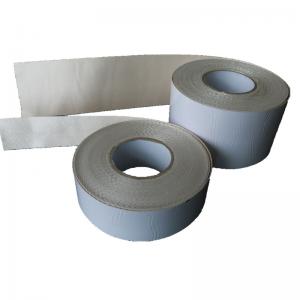
Where end sealing or mechanical retention is required, specify the approved tape, clamp or termination method as part of the finished assembly. Do not substitute an ordinary cable tie or general-purpose tape because it is easier to obtain during maintenance.
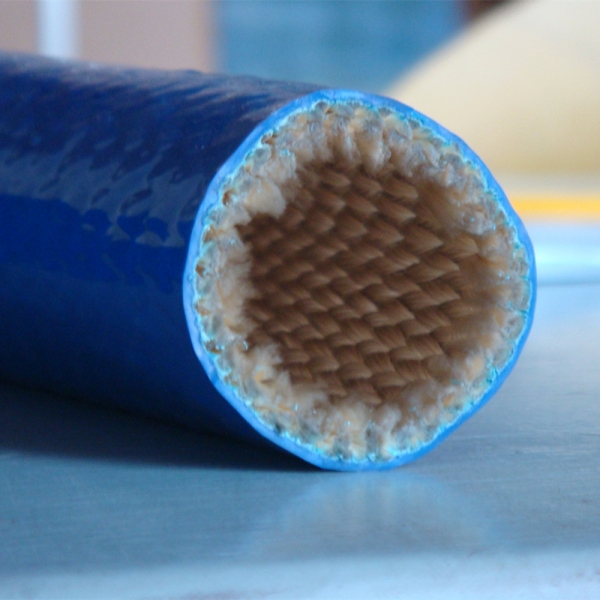
Hydraulic environments are rarely completely free of oil. The BSTFLEX hydraulic hose fire sleeve includes oil-resistance testing, but oil observed on an installed sleeve should still trigger an inspection.
Determine whether the contamination came from routine maintenance, an unrelated source or a leak from the protected hose or fitting.
A fire sleeve must not be used to conceal:
Resolve the hose condition before restoring the protective cover.
Inspection intervals should follow the equipment's maintenance and risk requirements rather than a universal number of operating hours.
During an authorized inspection, look for visible changes in both the protective sleeve and its installation:
| Inspection area | What to look for |
|---|---|
| Silicone surface | Cuts, severe hardening, missing coating, burn damage or areas struck by hot material. |
| Fiberglass substrate | Exposed or damaged fibers and loss of the intended protective wall. |
| Sleeve position | Movement away from the designated heat or splash zone. |
| Ends and retention | Loose clamps, damaged end treatment or contamination entering the sleeve. |
| Underlying hose | Abrasion, leakage, deformation or thermal damage when inspection access permits. |
| Machine route | New contact points caused by equipment wear, adjustment or changed hose routing. |
After a significant molten-splash or flame incident, do not judge continued serviceability only by whether the sleeve still looks intact from a distance. Follow the approved inspection or replacement criteria for the application.
| Observed condition | Selection direction | Important verification |
|---|---|---|
| Radiant heat with limited mechanical contact | Standard silicone fiberglass fire sleeve may be suitable. | Installed temperature, sleeve size and coverage. |
| Molten-metal splash risk | Use a construction with applicable molten-splash evidence. | Test scope, splash direction, seam and end exposure. |
| Heat plus vibration or rubbing | Evaluate fire sleeve with verified mechanical performance. | Actual contact points, routing and abrasion evidence. |
| Severe environment requiring thicker construction | Compare heavy-duty texturized fire sleeve with the standard product. | Clearance, flexibility and product-specific thermal evidence. |
| Existing connected hose without end access | Evaluate an openable snap or wrap-around fire sleeve. | Closed fit, seam position and closure exposure. |
| Low-temperature abrasion only | Consider a dedicated abrasion sleeve rather than a fire sleeve. | Abrasion severity and actual ambient temperature. |
A useful RFQ should identify the individual hose location rather than simply requesting "high-temperature sleeve for steel mill."
Provide:
Photographs help identify the environment, but dimensional and operating information should still be supplied. For moving equipment, include more than one operating position or provide a route drawing.
The correct sleeve depends on the actual hazard. Silicone-coated fiberglass fire sleeve is a common starting point where external radiant heat, flame or molten-metal splash is present. If the hose also sees severe abrasion, evaluate the finished sleeve's mechanical performance and correct the hose route where possible.
A fire sleeve can provide protection against short-duration molten-metal splash when the specific product has applicable test evidence. This should not be interpreted as protection against immersion, continuous molten-metal flow or an exposure outside the tested conditions.
Use the application requirement to decide. A heavier texturized construction may be worth evaluating where greater wall thickness is required, but the additional diameter, flexibility, fitting clearance and product-specific test evidence must also be considered.
Do not design the installation around continuous direct contact unless the complete assembly has been evaluated for that condition. Maintain appropriate routing and clearance from hot surfaces wherever possible, then use the fire sleeve to address the remaining external heat exposure.
A standard tubular sleeve requires a suitable end-entry path. For an existing connected hose, an openable snap or wrap-around construction can be evaluated where disconnection is impractical.
Not automatically. Fire sleeve is primarily selected for thermal and flame hazards, although some constructions also have verified abrasion performance. Where abrasion is the only significant hazard, a dedicated abrasion-resistant hose sleeve may be more appropriate.
BSTFLEX manufactures silicone-coated fiberglass fire sleeves for hydraulic hoses, cables and industrial lines operating in demanding thermal environments. Standard, heavy-duty and openable constructions are available for different installation conditions.
For steel-mill or metallurgical equipment, send the hose dimensions, route, heat-source location, splash exposure, movement and required documentation. BSTFLEX can use these details to evaluate the most appropriate existing fire-sleeve construction and prepare samples for the application.
Request technical data, test reports, samples or an OEM quotation from BSTFLEX.

 English
 français
 русский
 italiano
 español
 português
 Nederlands
 العربية
 日本語
 한국의
 Türkçe
 Polski
 Tiếng Việt
 slovenský
 Indonesia