Leitfähiger Nähfaden aus Edelstahl: Wie man ihn für Hitze, statische Kontrolle und Textilschaltkreise spezifiziert
Ein Edelstahlnähfaden kann eine Wärmedämmnaht zusammenhalten, einen Pfad für die Ableitung statischer Elektrizität bieten oder Komponenten in einem Textilschaltkreis verbinden. Jede Aufgabe stellt unterschiedliche Anforderungen an den Faden. Bevor Sie Preise vergleichen, definieren Sie, was die fertige Naht leisten muss.
Leitfähiger Nähfaden aus Edelstahl verwendet Edelstahlfasern oder feine Filamente, um eine nähbare Konstruktion mit elektrischer Leitfähigkeit zu kombinieren. Die Leistung hängt von der Legierung, der Filamentanordnung, der Fadengröße, der Drehung und der Oberflächenbeschaffenheit ab. Zwei Fäden, die als „Edelstahl“ bezeichnet werden, können sich in derselben Nähmaschine oder elektrischen Baugruppe unterschiedlich verhalten.
BSTFLEX 304 Edelstahlnähfaden bietet einen Ausgangspunkt für die industrielle Beschaffung. Senden Sie die Anwendung und die erforderliche Leistung mit Ihrer Anfrage, damit die vorgeschlagene Konstruktion im Hinblick auf Ihre Stoffbaugruppe bewertet werden kann.
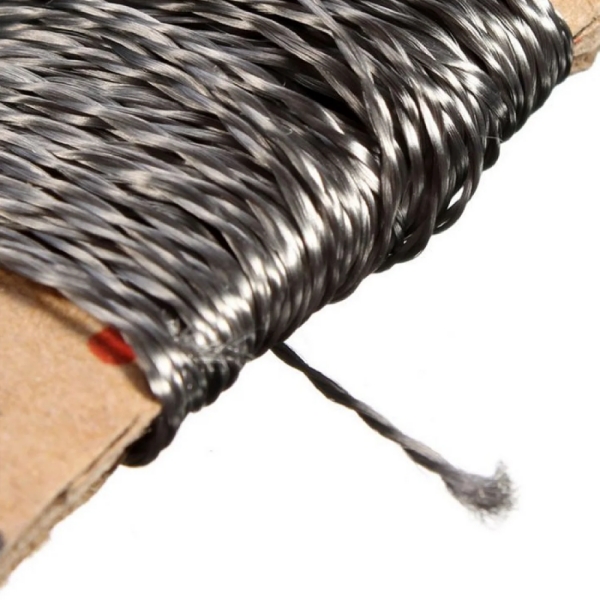
Hersteller von abnehmbaren Isolationsjacken, Wärmepads und industriellen Textilabdeckungen ziehen möglicherweise Edelstahlnähfäden in Betracht, wenn eine metallische Naht erforderlich ist. Die Frage ist, wie gut diese Naht ihre erforderliche Festigkeit nach der Belastung beibehält.
Geben Sie die Temperatur an der Nahtlinie, die Expositionsdauer, die mechanische Belastung sowie die Häufigkeit des Aufheizens und Abkühlens an. Die Temperatur der abgedeckten Ausrüstung kann von der Temperatur an einer äußeren Naht abweichen. Geben Sie die Stofflagen und die Nahtposition an, wenn Sie eine Empfehlung anfordern.
Ein Schmelzpunkt ist keine Arbeitstemperaturbewertung. Oxidation, Festigkeitsverlust, Oberflächenbeschaffenheiten und umgebende Materialien können die Lebensdauer lange vor dem Schmelzen des Metalls begrenzen. Dauerbetrieb und kurzzeitige Spitzenbelastung sollten für die angebotene Konstruktion separat bewertet werden.
Ein antistatischer Nähfaden benötigt eine definierte Rolle in der Textilbaugruppe. Identifizieren Sie die Oberflächen, die er verbinden muss, den erforderlichen Widerstandsbereich und wie die fertige Baugruppe an das vorgesehene Erdungssystem angeschlossen wird.
Ein Faden mit niedrigem Widerstand allein stellt noch keine statische Kontrollleistung eines Kleidungsstücks oder einer industriellen Abdeckung sicher. Unterbrochene Nähte, schlechter Kontakt zwischen den Paneelen oder ein ungeeigneter Abschluss können den Pfad unterbrechen. Spezifizieren Sie Abnahmeprüfungen am fertigen Artikel, einschließlich aller für seine Verwendung relevanten Wasch- oder Abriebbedingungen.
Leitfähiger Faden kann für Textilschalter, Sensorverbindungen und andere Niedrigstromschaltkreise bewertet werden. Beginnen Sie mit dem zulässigen Widerstand und Spannungsabfall des Schaltkreises. Berücksichtigen Sie dann die Fadenlänge innerhalb des Stichmusters, den Rückweg und die Verbindungen zu den Komponenten.
Eine genähte Route verbraucht mehr Faden als die geradlinige Entfernung zwischen ihren Endpunkten. Schlaufen und Stichbildung erhöhen die Länge, während Kontakte den Widerstand erhöhen. Definieren Sie sowohl den Widerstand pro Meter des gelieferten Fadens als auch den akzeptablen End-zu-End-Widerstand des montierten Schaltkreises.
Der Begriff „leitfähig“ bestätigt eine Materialeigenschaft; er sagt Ihnen nicht, ob ein bestimmter Faden Ihre Designanforderungen erfüllt. Fragen Sie bei elektrisch leitfähigem Nähfaden nach dem Widerstand in Ohm pro Meter (Ω/m), der Toleranz und den Messbedingungen.
Multiplizieren Sie als erste Schätzung den Widerstand pro Meter mit der tatsächlichen Fadenlänge im Pfad. Ein hypothetischer Faden mit 10 Ω/m würde beispielsweise etwa 5 Ω über 0,5 m beitragen, bevor der Kontaktwiderstand hinzugefügt wird. Dies ist ein Berechnungsbeispiel, keine BSTFLEX Produktspezifikation.
Notieren Sie die Probenlänge, die Testtemperatur, die angewendete Spannung und die Kontaktmethode beim Vergleich der Messungen. Wenn das Design von einem niedrigen Widerstand abhängt, müssen auch Messleitungen und Kontaktwiderstand berücksichtigt werden. Verwenden Sie eine vereinbarte Produktionsabnahmemethode, die bei nachfolgenden Chargen wiederholt werden kann.
Die Strombelastbarkeit erfordert eine separate Bewertung. Der Ω/m-Wert eines Fadens allein stellt keinen sicheren Betriebsstrom fest, insbesondere innerhalb eines Stoffstapels, der Wärme speichern kann.
Die Legierungsklasse identifiziert das Metall, beschreibt aber einen Nähfaden nicht vollständig. Stellen Sie fest, ob es sich bei dem angebotenen Produkt um ein Edelstahlfasergarn, eine kontinuierliche Multifilamentkonstruktion oder einen Hybridfaden mit Textilummantelung handelt.
Diese Unterschiede beeinflussen die Handhabung, das Biegeverhalten, den Abrieb und den elektrischen Kontakt. Eine Oberfläche, die das Nähen verbessert, kann auch den Kontakt mit einer anderen leitfähigen Oberfläche beeinflussen. Fordern Sie Konstruktions- und Oberflächendetails an, wenn die Naht eine elektrische Funktion hat.
Für eine bestehende Spezifikation für 304 Edelstahlnähfäden geben Sie die Klasse genau an. Wenn Sie 316L oder eine andere Alternative in Betracht ziehen, beschreiben Sie die Umgebung der Belastung und bitten Sie um eine separate Bewertung. Ein Austausch der Klasse sollte nicht als Beweis für die gleiche Fadenfestigkeit, den gleichen Widerstand oder die gleiche Nähbarkeit behandelt werden.
Wo die Anwendung in erster Linie hitzebeständige Nähte erfordert, vergleichen Sie die verfügbaren Konstruktionen innerhalb des BSTFLEX Sortiments an Hochtemperatur-Nähfäden. Wählen Sie das Material basierend auf dem Stoffsystem, den Nahtanforderungen und den Betriebsbedingungen aus.
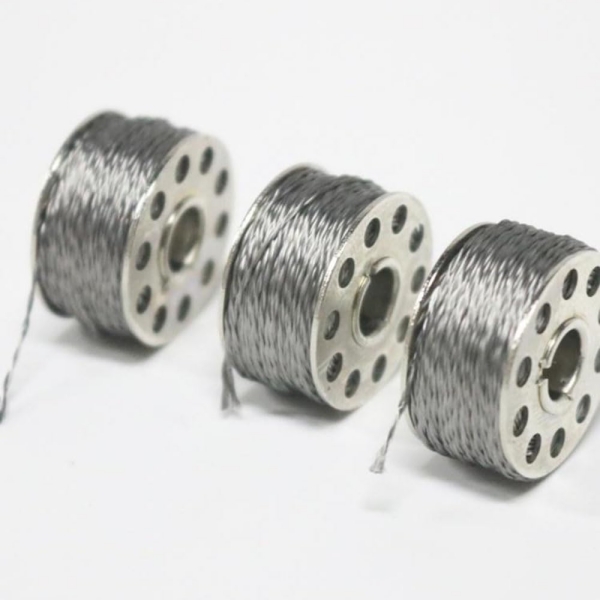
Wenn eine Zeichnung diese Details noch nicht enthält, sind ein vorhandenes Fadenmuster und eine repräsentative genähte Komponente nützliche Ausgangspunkte. Erklären Sie, was im aktuellen Design funktioniert und was verbessert werden muss, wie z. B. Fadenbruch, schlechte Nahtfestigkeit oder instabiler elektrischer Kontakt.
Ein kurzer Produktionsversuch sollte die vorgesehene Maschine, Nadel, das Stichmuster und den vollständigen Materialstapel verwenden. Überprüfen Sie den Fadenweg auf raue Führungen, Grate und enge Biegungen. Passen Sie während des Versuchs Spannung und Geschwindigkeit an und notieren Sie dann die Einstellungen, die konsistente Stiche erzeugen.
Auf gerissene Filamente, ausgelassene Stiche, Gewebeschäden und Verformungen um die Naht prüfen. Eine Erhöhung der Garnstärke kann die Anforderungen an die Nadel und die Auswirkungen auf das Gewebe verändern, daher führt ein stärkerer, loser Faden nicht automatisch zu einer stärkeren fertigen Naht.
Bei einem Thermoprodukt die Nahtleistung nach repräsentativer Hitzeeinwirkung bewerten. Bei einer leitfähigen Baugruppe Durchgang und Widerstand nach den entsprechenden Biege-, Handhabungs- oder Reinigungszyklen messen. Die Probenkonstruktion aufzeichnen, damit spätere Lieferungen mit der genehmigten Version verglichen werden können.
Es kann als Leiter in einem entsprechend konzipierten Textilschaltkreis dienen, aber blankes leitfähiges Garn besitzt keine inhärente elektrische Isolierung. Schaltkreisabstände, Anschlüsse, Stromgrenzwerte und Schutz müssen für die gesamte Baugruppe ausgelegt sein.
Die Kompatibilität hängt von der Garnkonstruktion, der Nadel, dem Spannungssystem, der Transportvorrichtung und dem Gewebeaufbau ab. Genehmigen Sie einen repräsentativen Nähversuch, anstatt die Kompatibilität allein vom Legierungsnamen abhängig zu machen.
Nein. Die Konformität hängt vom fertigen Produkt, seinen leitfähigen Pfaden und den geltenden Testanforderungen ab. Der Garnwiderstand ist ein Faktor für das Design.
Senden Sie die Gewebematerialien und -dicke, Stichanforderungen, Einsatzbedingungen sowie die mechanische oder elektrische Funktion. Fügen Sie nach Möglichkeit eine Zeichnung, ein aktuelles Muster oder klare Fotos der Baugruppe bei.
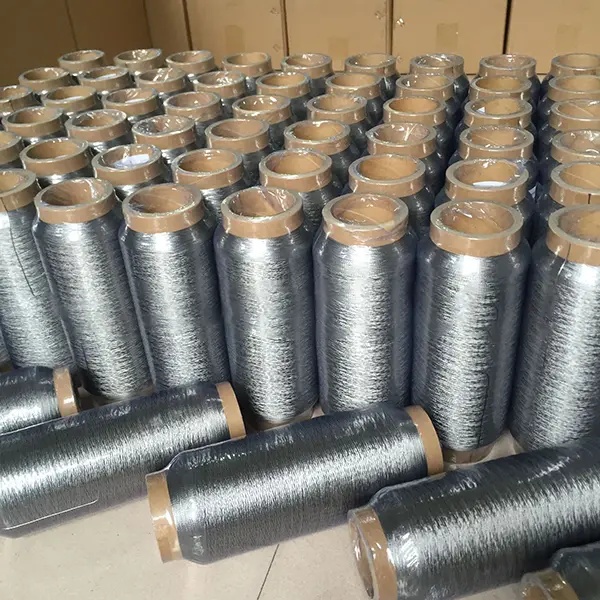
Für leitfähiges Nähgarn aus Edelstahl Anfragen senden Sie bitte Ihre Anwendung, Legierungsanforderung, Garnstärke oder Referenzmuster, den erforderlichen Widerstand und die Einsatzbedingungen. Geben Sie zudem die Nähmethode, die bevorzugte Spulenart und die geschätzte Bestellmenge an.
Wenn das Garn sowohl strukturelle als auch elektrische Funktionen erfüllen soll, geben Sie beide Anforderungen an. Fordern Sie die vorgeschlagene Spezifikation und ein Testmuster an, damit Ihr Team das Nähverhalten, die Nahtleistung und die elektrische Durchgängigkeit vor der Produktionsfreigabe bewerten kann.

 English
 français
 русский
 italiano
 español
 português
 Nederlands
 العربية
 日本語
日本語 한국의
한국의 Türkçe
 Polski
 Tiếng Việt
 slovenský
 Indonesia