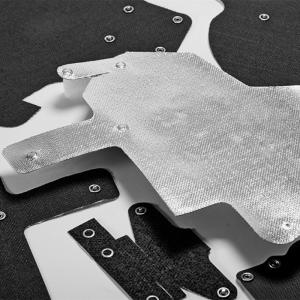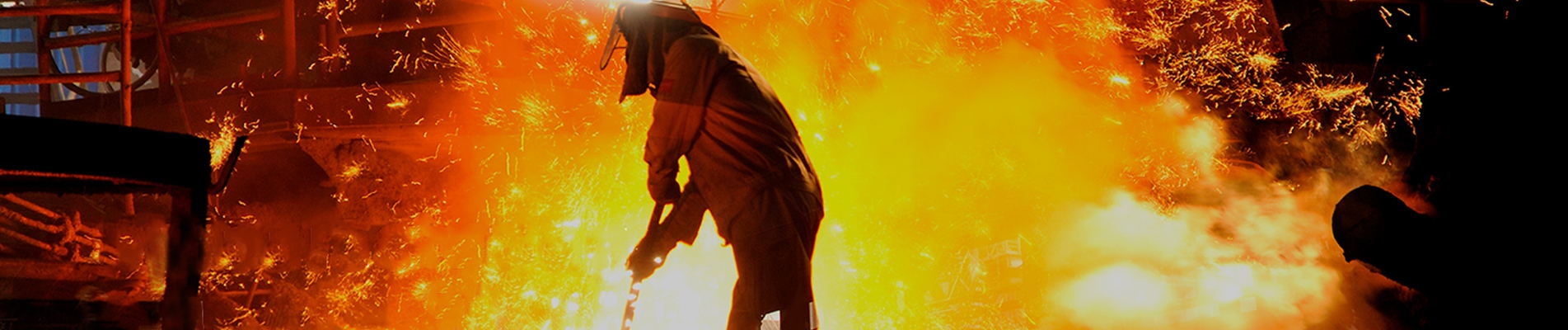
Zwei Lieferanten können für dasselbe Material für Katalysator-Hitzeschilde ein Angebot abgeben und dabei grundlegend unterschiedliche Konstruktionen anbieten. Einer schlägt möglicherweise eine dünne Metallabdeckung vor, die um den Katalysator geformt ist. Ein anderer bietet vielleicht ein breites Unterbodenblech an. Ein dritter könnte eine Isolierung zwischen Metallschichten vorsehen. Der Vergleich dieser Angebote allein anhand von Materialbezeichnung und Preis lässt die wesentliche technische Anforderung ungelöst.
Material für Katalysator-Hitzeschilde bildet eine externe thermische Barriere zwischen der heißen Abgasanlage und nahegelegenen Fahrzeugkomponenten. Identifizieren Sie bei der Beschaffung von Blechmaterial zuerst die Position der Barriere, die Befestigungsmethode und den Schichtaufbau. Erst dann können Legierung, Dicke und Prägeprofil sinnvoll spezifiziert werden.
Dieser Leitfaden befasst sich mit Metallblechen für den Wärmeschutz. Er deckt nicht das Katalysatorsubstrat, dessen interne Stützmatte oder Diebstahlschutzplatten ab.
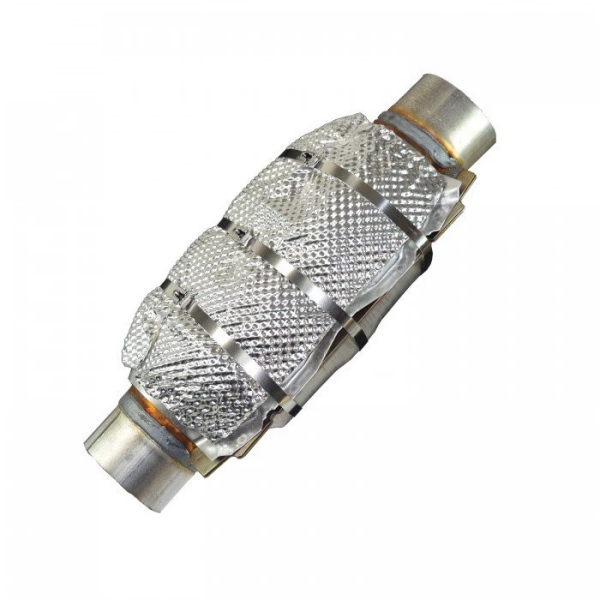
Das Katalysatorgehäuse und sein Hitzeschild sind nicht dasselbe Bauteil. Das Gehäuse umschließt die Katalysatoreinheit; ein externer Hitzeschild steuert die Wärmeeinwirkung außerhalb davon. Walkers Leitfaden zur Katalysatorkonstruktion unterscheidet zwischen dem Gehäuse, der Katalysator-Dämmmatte sowie externen Hitzeschilden für Gehäuse und Rohrleitungen.
| Komponente | Funktion in der Baugruppe | Was der Blechlieferant wissen muss |
|---|---|---|
| Katalysatorgehäuse | Umschließt den Katalysator und bildet einen Teil der Abgaskapselung | Dies ist eine Anfrage für Gehäusematerial, keine Spezifikation für ein externes Hitzeschildblech |
| Am Auspuff montierter Hitzeschild | Bietet eine thermische Barriere nahe am Katalysatorgehäuse oder dem verbindenden Abgasabschnitt | Lokale Form, Befestigungsdetails, Freiraum und die Betriebsbedingungen des Schildes |
| Am Unterboden montierter Hitzeschild | Trennt die Abgaswärmequelle vom Boden, Tunnel oder angrenzenden Fahrzeugkomponenten | Kontur des Blechs, fahrzeugseitige Befestigungspunkte und Freiraum während der Abgasbewegung |
| Isolierter Schild mit Metalloberfläche | Kombiniert metallische Schichten mit einer spezifizierten Isolierschicht | Der vollständige Schichtaufbau, nicht nur das sichtbare äußere Metall |
Markieren Sie die Wärmequellenseite und die Fahrzeugkarosserieseite auf der Zeichnung. Fügen Sie eine Montageansicht bei: Eine flache Kontur allein kann nicht zeigen, welche Oberfläche dem Katalysator zugewandt ist oder wie das fertige Teil abgestützt wird.
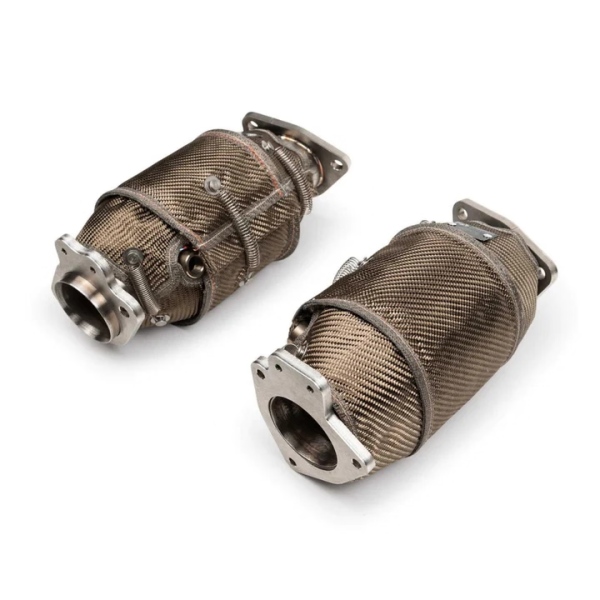
Katalytische Reaktionen können Wärme freisetzen, während Abgasschadstoffe umgewandelt werden. Walker beschreibt diese Wärmeerzeugung in seiner Erklärung zur Katalysatorfunktion. Eine Materialspezifikation, die von einem nahegelegenen Rohrhitzeschild kopiert wurde, muss daher anhand der Katalysatorinstallation überprüft und nicht ungeprüft übernommen werden.
Identifizieren Sie für die Entwicklung, was die Barriere schützen muss: ein Bodenblech, einen Kabelstecker, eine Flüssigkeitsleitung oder eine andere Baugruppe. Legen Sie für jede geschützte Komponente ein vereinbartes Temperaturlimit und einen Messort fest. Das Ziel ist nicht nur, dass die exponierte Seite des Schildes nach einem Test intakt aussieht.
Halten Sie eine anormale Überhitzung des Katalysators von der Schildentwicklung getrennt. Motorfehler, einschließlich Fehlzündungen, können zu übermäßigen Katalysatortemperaturen führen. Ein anderer Hitzeschild repariert nicht den zugrunde liegenden Fehler; Walkers Leitfaden zu Katalysatorausfällen betont die Identifizierung und Korrektur der Ursache.
Bewerten Sie für eine geformte Barriere in der Nähe des Katalysators Edelstahl anhand der gemessenen Wärmebelastung, der Umgebungsbedingungen und der Umformanforderungen. Spezifizieren Sie die Güte, anstatt ein Angebot zu akzeptieren, das nur „Edelstahl“ angibt. Güteabhängige Oxidationsbeständigkeit, Festigkeit bei erhöhten Temperaturen und Wärmeausdehnung sind in den technischen Daten für hitzebeständigen Edelstahl dokumentiert.
BSTFLEX geprägtes Edelstahl-Wärmeschutzblech wird für die kundenspezifische Hitzeschildfertigung angeboten, einschließlich Katalysatoranwendungen. Geben Sie die erforderliche Legierung, die Blechdicke des Grundmaterials und die Umformzeichnung an, damit das vorgeschlagene Blech anhand des tatsächlichen Bauteils überprüft werden kann.
Aluminium ist ein bewährtes Material für Hitzeschilde in der Automobilindustrie, seine Eignung muss jedoch bei der Betriebstemperatur des Blechs beurteilt werden und darf nicht vom Namen der Abgaskomponente abgeleitet werden. Bewerten Sie für ein karosseriemontiertes Blech die gewählte Legierung und Härte zusammen mit dem Abstand, den Halterungen und der erforderlichen Haltbarkeit.
BSTFLEX geprägtes Aluminium-Hitzeschildmaterial ist eine formbare Blechoption für kundenspezifische Strahlungsbarrieren. Ein Vorschlag für einen Hitzeschild für einen Aluminium-Katalysator sollte zeigen, wo das Blech sitzt und ob es sich um eine eigenständige Barriere oder eine Schicht einer größeren Baugruppe handelt.
Legierung 625 Inconel-Hitzeschildmaterial bietet eine weitere Option für anspruchsvolle Abgasprojekte. Bewerten Sie es anhand einer definierten Anforderung, wie z. B. einer identifizierten Einschränkung der Materialhaltbarkeit, anstatt es als Standardspezifikation für jeden Katalysator zu behandeln.
Die Dauer der Belastung ist wichtig. Haynes' Legierung 625 Daten beschreiben die nützliche Festigkeit und Oxidationsbeständigkeit, warnen aber auch vor Versprödung nach längerer Einwirkung erhöhter Temperaturen. Eine Hochtemperatur-Legierungsbezeichnung ist keine unbegrenzte Dauerbetriebszulassung.
Ersatz- und OEM-Spezifikationen können aluminisierten Stahl erfordern. Kürzen Sie diese Beschreibung nicht auf Aluminium.
Aluminierter Stahl hat ein Stahlsubstrat mit einer aluminiumhaltigen Beschichtung. Zum Beispiel beschreibt Cleveland-Cliffs seinen Aluminierter Typ 1 Stahl als feuerverzinkten Stahl mit einer Aluminium-Silizium-Schicht. Es handelt sich um einen anderen Materialaufbau als bei einem Blech, dessen Basismetall Aluminium ist.
Diese Unterscheidung beeinflusst Substitutionsentscheidungen. Wenn die Zeichnung beschichteten Stahl spezifiziert, fordern Sie die Anforderungen an Substrat und Beschichtung an. Bieten Sie kein blankes Aluminium als Äquivalent an, nur weil es eine ähnliche silberne Optik aufweist. Gehen Sie ebenso wenig davon aus, dass jeder externe Schild dieselbe Legierung verwendet wie das darunter liegende Katalysatorgehäuse.
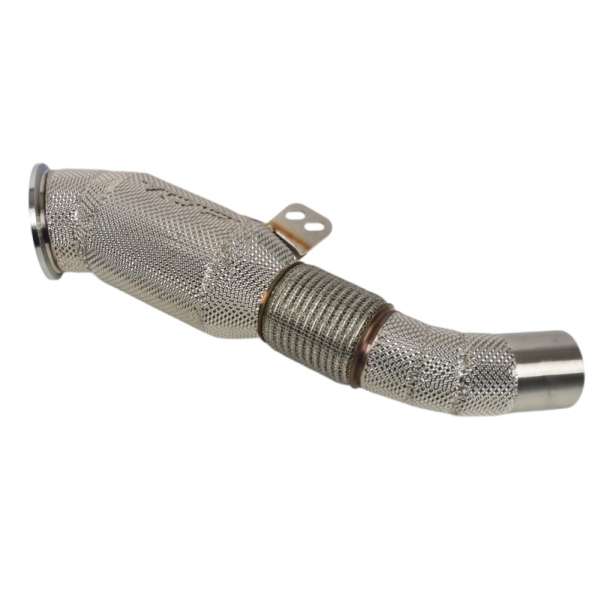
Ein blankes geprägtes Blech und ein isolierter Katalysatorschild sind unterschiedliche Produkte. Eine Aluminium-Außenseite verrät nicht, ob das Teil auch eine Isolierung, eine weitere Metallschicht oder einen konstruktiven Innenraum enthält.
Zeigen Sie bei einer Anfrage für eine Mehrschichtkonstruktion die Reihenfolge der Schichten vom Katalysator bis zur Fahrzeugkarosserie, deren individuelle Spezifikationen, Kantenverschluss und Befestigungsdetails. Geben Sie an, ob sich die Dicke auf ein einzelnes Metallblech, die Isolierung oder die komplette Baugruppe bezieht.
Übertragen Sie keine Temperaturbewertung oder Hitzereduzierungsangabe von einem fertigen Verbundschild auf dessen Metallverkleidung. Fragen Sie, was getestet wurde, wie es installiert wurde und wo das Ergebnis gemessen wurde.
Wenden Sie ebenso keinen universellen Katalysator-Abdeckungsprozentsatz auf ein neues Design an. Änderungen an Abdeckung, Isolierung und Belüftung sollten mit dem Katalysator- oder Fahrzeugsystemingenieur überprüft und für diese Installation validiert werden. Mehr Gehäuse ist für sich genommen keine nachgewiesene Verbesserung.
Beziehen Sie die Umgebungsbelastung in die Spezifikation ein, nicht nur das anfängliche thermische Ergebnis. Walker identifiziert Straßeneinwirkungen, Korrosion, Thermoschock und Ermüdung als katalysatorbezogene Schadensmechanismen. Für ein Unterbodenschutzprogramm bieten diese nützliche Ausgangspunkte für die Definition der anwendbaren Haltbarkeitsprüfungen.
Überprüfen Sie die Befestigungselemente, Stützscheiben, Materialübergänge und beschnittenen Kanten als Baugruppe. Fragen Sie, ob sich Wasser oder Schmutz an einer gefalteten Kante sammeln kann, ob ein Montagebereich ausreichend gestützt ist und ob angrenzende Materialien eine Korrosionsschutzmaßnahme erfordern. Verwenden Sie projektgenehmigte Lösungen, anstatt während der Produktion unspezifizierte Beschichtungen oder Unterlegscheiben hinzuzufügen.
Behandeln Sie eine dünne thermische Barriere nicht als Unterfahrschutz. Wenn auch ein Aufprallschutz erforderlich ist, geben Sie dies als separate Leistungsanforderung an und validieren Sie die Struktur entsprechend.
Prägung gehört auch in die Überprüfung der Umformung. Prüfen Sie, ob das vorgeschlagene Muster mit Flanschen, gekrümmten Abschnitten und Befestigungsbereichen kompatibel bleibt. Die breitere strukturelle Rolle wird diskutiert in warum Automobil-Hitzeschilde geprägtes Metall verwenden; definieren Sie für die Einkaufszeichnung das Muster und den akzeptablen Umformzustand.
Senden Sie die Bauteilzeichnung und ihren Montagekontext zusammen. Fügen Sie bei einem bestehenden Design die genehmigte Materialspezifikation und Revision bei. Identifizieren Sie bei Entwicklungsarbeiten, welche Felder festgelegt sind und welche für die Überprüfung durch den Lieferanten offen bleiben.
| Spezifikationsfeld | Zu enthaltende Informationen |
|---|---|
| Lieferumfang | Geprägtes Blech, geschnittener Rohling oder geformtes Bauteil; identifizieren Sie, wer jeden nachgelagerten Vorgang durchführt |
| Installationsreferenz | Katalysatorposition, abgasmontierte oder karosseriemontierte Anordnung und Ausrichtung der Wärmequelle |
| Materialidentifikation | Legierung oder Güte, Härte oder Lieferzustand und ggf. Beschichtungsspezifikation |
| Blech- und Musterabmessungen | Basismetallstärke, Blechabmessungen, geprägtes Profil und Toleranzen |
| Schnittstellendetails | Montagebezugspunkte, Bohrungen, Flansche, Befestigungsmethode, Gegenkomponenten und erforderliche Abstände |
| Thermische Anforderungen | Gemessene oder vorhergesagte Bedingungen mit Standorten, Dauer und Grenzwerten für geschützte Komponenten |
| Abnahmeanforderungen | Anwendbare Kriterien für Umformung, Wärme, Vibration, Korrosion und Inspektion |
| Einkaufsanforderungen | Prototypenmenge, Produktionsbedarf, Lieferform und erforderliche Materialdokumentation |
Ein gebrauchtes Muster kann die Form verdeutlichen, aber kennzeichnen Sie jegliche Verformung, Korrosion oder fehlende Befestigungsmerkmale. Machen Sie eine beschädigte Kante oder ein längliches Montageloch nicht zum neuen Produktionsbezugspunkt, ohne das beabsichtigte Design zu prüfen.
Vereinbaren Sie eine Vergleichsmethode, bevor Sie das Produktionsmaterial auswählen. Verwenden Sie dieselbe Konverterbelastung, Abschirmungsposition, Montageanordnung und Messpunkte für geschützte Komponenten. Wenn sich Geometrie oder Isolierung zwischen den Mustern ändern, zeichnen Sie diese Änderungen auf; das Ergebnis ist dann ein Vergleich von Baugruppen, nicht nur von Metallen.
Definieren Sie, was als bestanden gilt. Nützliche Kriterien können Temperaturen der geschützten Komponente, verbleibender Abstand, akzeptable Verformung und Integrität der Befestigung nach der vereinbarten Belastung sein. Wenn betriebsbedingte Verschmutzung relevant ist, beziehen Sie die spezifizierte Konditionierung ein, anstatt nur ein sauberes neues Muster zu bewerten.
Eine Aussage wie „reduziert Hitze um einen bestimmten Prozentsatz“ ist ohne die gemessene Menge unvollständig. Strahlungswärmefluss, Anstieg der Oberflächentemperatur und Kabinenlufttemperatur sind keine austauschbaren Ergebnisse. Fordern Sie die Testanordnung und Messgrundlage an, bevor Sie eine Leistungsbehauptung in eine Kaufentscheidung einfließen lassen.
Die Konstruktion variiert. Edelstahl, beschichteter Stahl und Barrieren auf Aluminiumbasis sind für die Abschirmung im Konverterbereich relevant. Stellen Sie fest, ob das Teil in der Nähe des Konverters liegt, an der Fahrzeugkarosserie befestigt ist oder als isolierte Baugruppe gebaut wurde, bevor Sie das Material auswählen. Alloy 625 kann für eine spezifisch begründete Beanspruchung bewertet werden.
Nein. Thermische Abschirmung kontrolliert die Wärmeeinwirkung; eine Diebstahlschutzplatte soll den Zugang zum Konverter einschränken. Gehen Sie nicht davon aus, dass eine Funktion die andere beweist. Jede kombinierte Behauptung benötigt ihren eigenen Designnachweis und ihre eigene Validierung.
Nicht als gleichwertiger Ersatz ohne Validierung. Das Entfernen der Isolierung oder einer zusätzlichen Metallschicht verändert die Baugruppe. Ermitteln Sie zuerst die ursprüngliche Konstruktion und die erforderliche Leistung auf der geschützten Seite.
Ein Foto ist für ein erstes Gespräch nützlich, aber ein genaues Produktionsangebot erfordert Abmessungen, Materialanforderungen, Schnittstellen und Lieferumfang. Fügen Sie eine Baugruppenansicht oder ein Muster bei, wenn die installierte Form schwer zu kommunizieren ist.
BSTFLEX bietet geprägte Hitzeschutzbleche aus Edelstahl und Aluminium sowie Hitzeschildmaterial aus Alloy 625 für kundenspezifische Wärmeschutzprojekte an. Verwenden Sie die oben genannten Produktlinks, um die Materialfamilie zu identifizieren, und reichen Sie dann die Zeichnung und Spezifikation zur Prüfung ein.
Geben Sie für eine Katalysatoranwendung an, ob Sie Blech für Ihren eigenen Umformprozess, zugeschnittene Rohlinge oder eine entwickelte Komponente benötigen. Angefragte Güten, Härten, Dicken, Muster und Verarbeitungsoptionen sollten für das Projekt bestätigt werden, anstatt davon auszugehen, dass sie austauschbar oder auf Lager sind.
Senden Sie BSTFLEX Ihre Anfrage für Katalysator-Hitzeschildmaterial mit der Baugruppenzeichnung, dem erforderlichen Material oder den Auswahlkriterien, der Prototypenmenge und dem erwarteten Produktionsbedarf.

 English
 français
 русский
 italiano
 español
 português
 Nederlands
 العربية
 日本語
日本語 한국의
한국의 Türkçe
 Polski
 Tiếng Việt
 slovenský
 Indonesia